


Behind the Whistle: Tackling negative umpiring experiences
Behind the Whistle: Tackling negative umpiring experiences
Voice of participant case study: Netball New Zealand
At a glance
- Voice of participant data revealed umpire shortages and major inequalities in access to training. This meant players, coaches and umpires were having poor experiences.
- Netball New Zealand launched ‘Behind the Whistle’ to humanise umpires and boost recruitment. The campaign reached 245K+ people and led to 45 new umpire sign-ups in phase 1.
- Netball's new officiating strategy focuses on umpire training, recruitment and support.
How AI helped bring a human focus
When Netball New Zealand analysed its voice of participant survey results, the data showed 2 clear problems:
- There weren’t enough umpires.
- The training available wasn’t reaching everyone who needed it.
In some regions, inexperienced parents or players were umpiring their own games, leading to inconsistent experiences.
In others, access to quality training (typically delivered in person) was inaccessible, especially for those in rural areas.
On top of that, the language used around umpiring created an "us versus them" feeling, leaving many umpires undervalued.
Alongside the data were thousands of anonymous verbatim voice of participant comments to sift through. To manage the volume, Netball New Zealand used AI tools to spot patterns and prioritise next steps, helping turn complex feedback into focused, meaningful action in a fraction of the time a stretched team would have needed.
Their response was the ‘Behind the Whistle’ campaign: a visible, human-focused initiative designed to raise awareness, improve attitudes toward umpires and make it easier for new people to get involved.
At the same time, they developed a long-term officiating strategy focused on accessibility, retention and wellbeing.
Early results are promising and with the next voice of participant survey approaching, Netball New Zealand is eager to track the wider impact.
“We got AI to help us theme the anonymous comments – it would’ve taken us days to manually read each one and we wouldn’t have been able to take action so quickly.”
What they did to tackle negative umpiring experiences
Used AI to analyse thousands of open-text responses: AI helped to summarise and theme the large volume of open-ended anonymous voice of participant feedback.
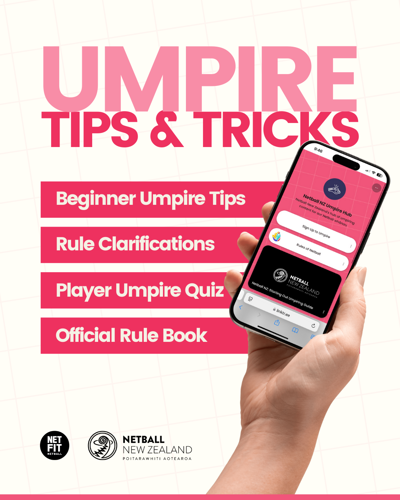
Launched ‘Behind the Whistle’: Delivered in partnership with NetFit NZ, the campaign includes social media content, umpire stories and downloadable resources.
Created a free online hub: The hub features training materials, videos, sign-up forms and QR-code posters to make access to umpiring easier and more engaging.
Formed working groups: Brought together community, youth and regional voices to shape a practical and inclusive strategy.
Drafted a 4-pillar community umpiring strategy: Based directly on voice of participant, the strategy focuses on:
- digital training access
- recruitment and retention support
- stronger coaching systems
- umpire wellbeing and safety.
Balanced short- and long-term efforts: While the campaign built immediate momentum, the officiating strategy is designed to support lasting change.
“We think the attitudes towards officiating have already shifted, even if the full numbers take time to catch up.”
Insights into action – the results so far
- Just 2 months after launch Behind the Whistle had reached over 245K people.
- 45 new umpires signed up directly through campaign channels.
- Free training materials and real-life umpire stories helped reframe how people talk about umpires.
- Netball New Zealand’s new 4-pillar officiating strategy will support long-term growth and development across the country.


